
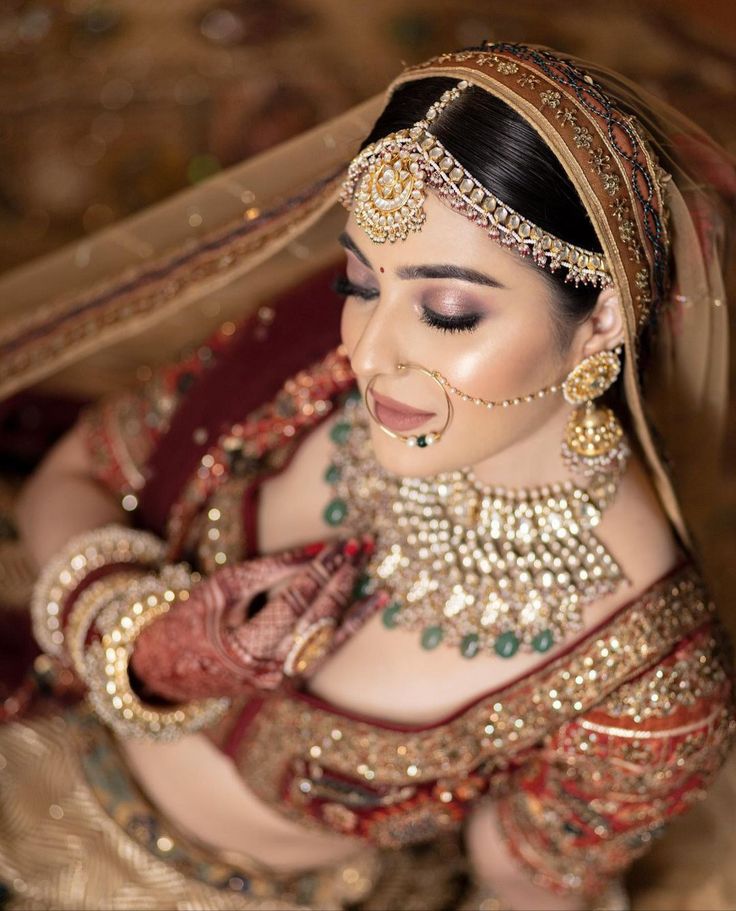
Choosing your wedding dress is one of the most emotional and memorable moments of your bridal journey. It’s not just about finding a beautiful gown — it’s about discovering the one that reflects your personality, enhances your natural beauty, and makes you feel confident as you walk down the aisle. With so many styles, fabrics, and trends emerging in 2025, selecting the right dress can feel overwhelming.
But don’t worry — this guide breaks down EVERYTHING you need to know to make the process smooth, enjoyable, and stress-free.
1. Start With Understanding Your Bridal Style
Every bride has her own aesthetic, even if she hasn’t discovered it yet. Before stepping into a bridal boutique, take some time to explore the styles you’re drawn to.
Popular Bridal Styles in 2025
- Modern Minimalist: Sleek satin gowns, clean lines, no embellishments.
- Romantic Boho: Soft lace, floral appliqués, flowy silhouettes.
- Classic Royal: Ball gowns, structured bodices, cathedral-length veils.
- Vintage-Inspired: Old Hollywood satin, off-shoulder cuts, pearl details.
- Glam Couture: Beading, sparkles, dramatic trains.
Spend time browsing Pinterest, Instagram, and bridal magazines. The more clarity you gain, the easier your appointment will be.
2. Choose a Dress That Fits Your Body Shape
Every body is beautiful — and the perfect dress is the one that highlights your best features.
A Quick Body Shape Guide
- Hourglass: Mermaid and fit-and-flare gowns enhance curves beautifully.
- Pear-Shaped: A-line gowns balance the body and add elegance.
- Apple-Shaped: Empire waist or soft-flowy fabrics create balance.
- Rectangle: Ball gowns or dresses with structure create curves.
- Petite: Sheath or trumpet dresses elongate the frame.
Trying different silhouettes in-store is the best way to discover what feels right.
3. Understand Bridal Fabrics
Fabric plays a huge role in your comfort and appearance. Some are structured, while others are soft and airy.
Common Bridal Fabrics
- Satin: Sleek, luxurious, perfect for modern or royal looks.
- Tulle: Light and dreamy — ideal for ball gowns.
- Lace: Timeless and romantic; comes in many patterns.
- Organza: Airy but structured, great for layered gowns.
- Crepe: Minimalistic and elegant, hugs the body naturally.
The fabric you choose should reflect your theme, weather, and personal preference.
4. Set Your Budget (and Know What’s Included)
Wedding dresses vary from affordable to extravagant. Setting a budget early helps narrow down the options.
Typical Dress Costs Include:
- The gown
- Alterations
- Accessories
- Veil
- Shoes
- Preservation (optional)
Many brides forget about alterations, which can cost anywhere from modest to significant depending on customization needs.
5. Book Your Bridal Appointment Early
The ideal time to start dress shopping is 8–12 months before your wedding. Custom gowns and complex designs may require extra time.
What Happens in an Appointment:
- You’ll try on multiple silhouettes
- A stylist will help based on your preferences
- You’ll explore accessories
- You’re encouraged to take photos and compare looks
Bringing two to four trusted people is recommended — too many opinions can make the decision harder.
6. Trust Your Feelings When You Know It’s “The One”
Most brides describe a special moment when they find the perfect dress.
Signs You’ve Found Your Dress
- You can’t stop smiling
- You feel confident and comfortable
- You can imagine walking down the aisle in it
- You compare every other gown to this one
- Your friends or family tear up
Remember: your dress should feel like YOU — not someone else’s vision.
7. Consider the Overall Look
Once you’ve found your dress, think about the rest of the styling.
Accessories That Complete the Bridal Look
- Jewelry (pearls, diamonds, minimal pieces)
- Veils (cathedral, fingertip, or birdcage)
- Hair accessories (pins, combs, tiaras)
- Shoes (heels, flats, wedges)
- Bridal belts or sashes
- Gloves, boleros, capes (2025 trend!)
Your accessories should complement your dress, not overpower it.
8. Final Fittings Matter
Most dresses require 2–3 rounds of alterations. Don’t skip them — they ensure your gown fits perfectly.
What to Bring to Fittings
- Wedding heels
- Finalized undergarments
- Veil (optional)
- Jewelry (optional)
First fitting adjusts major areas; final fitting perfects details like length and comfort.
9. Think About Comfort and Practicality
Beauty is important, but comfort is essential. You’ll spend hours sitting, walking, dancing, and hugging guests.
Ask yourself:
- Can I comfortably sit in this dress?
- Can I move without feeling restricted?
- Is the train manageable or do I need a bustle?
The right dress should make you feel confident, not constrained.
10. Final Tip: Choose What Makes You Happy
Whether your dream dress is simple satin or fully embellished sparkle, remember that your wedding day is about YOU.
Choose the dress that makes your heart light up — not the one others expect you to wear.
Your perfect dress is the one that reflects your joy, personality, and the beautiful journey you’re about to begin.